- Artavi Med Spa
- Posts
- Stay Healthy & Happy as You Age
Stay Healthy & Happy as You Age
Simple Daily Practices to Enhance Your Life

Dr. Tarina Desai
July 29, 2025

Perimenopause, Aging & Quality of Life
Do we age and that is why we lose our hormones or do we age because we lose our hormones?
Recently there has been more interest in discussions and awareness about perimenopause. The truth is that unfortunately, for decades there has been a lot of misinformation and misunderstanding of the process. This is mainly due to a large study that was flawed in many ways and prematurely discontinued. I won’t go into detail about that but recently, the WHI has reanalyzed the trial and new studies have been performed. The main takeaways from the studies are that synthetic hormones such as those found in birth control are not safe long term in perimenopause or menopausal women however bioidentical or natural hormones are not only safe but also provide important mortality benefits.
What we know is that our hormones are responsible for our overall wellness and quality of life. There are hormone receptors in every single organ of our body. During a woman’s adult life her hormones go through a predictable pattern every month. However, in peri menopause the levels become erratic and volatile before bottoming out once menopause hits. These varying levels of hormones during the perimenopause period wreak havoc on the female body.
Majority of women will notice decreased energy, cognition and memory issues, weight gain, loss of muscle mass, sleep problems, anxiety and depression, bone loss, joint pains, hair loss, skin changes, changes in libido, etc. Not all women will have all of these symptoms but many of them will begin to creep up over time. They can begin as early as 35 years old for many women. Menopause and perimenopause is no longer just about hot flashes, it is about overall quality of life. These symptoms tend to make working women professionals cut down hours at work, decrease socializing, become more irritable, gain weight despite all the diet and exercise they do and the list goes on.
Many of these women have already discussed their symptoms with their primary care physician, had blood work done and were told “everything is normal.” Yes, it is normal- but normal for a perimenopause or menopausal woman. We want optimal. What does that mean? We want to push our levels to the highest range of normal, where we actually feel better. We want someone to listen to our symptoms and not just check blood tests. But we also want to know how we can do our part and not just rely on medications. Lifestyle changes are also important.
Eating the right foods in the right amounts provides our body with the nutrients and tools it needs to boost our own hormone production. Exercising by weight training not only pushes more energizing hormones like testosterone into our body but also strengthens our bones. Getting adequate sleep allows improved hormone production. Reducing stress reduces cortisol levels which reflexively increases our natural hormone production. Your blood tests need to not only look at detailed hormone production but also investigate those vital mineral and nutrients that can optimize your body’s functioning.
The other major benefit from hormone replacement therapy, besides symptom relief, is the mortality benefit. When a woman loses estrogen, her risk of dying from cardiovascular disease, osteoporotic fractures, and cancers significantly increases. Replacing the natural hormones that a woman has counteracts these risks.
It is important to get ahead of these symptoms as hormone replacement therapy benefits can be time sensitive when it comes to the mortality benefits. Find a physician that will listen to your symptoms and help you take control of your life.
Best Practices for Healthy Aging
Aging is a natural part of life, but there are ways to feel and look your best at every stage. Here are some simple, actionable steps you can take to support your body and mind:
Refresh Your Skin
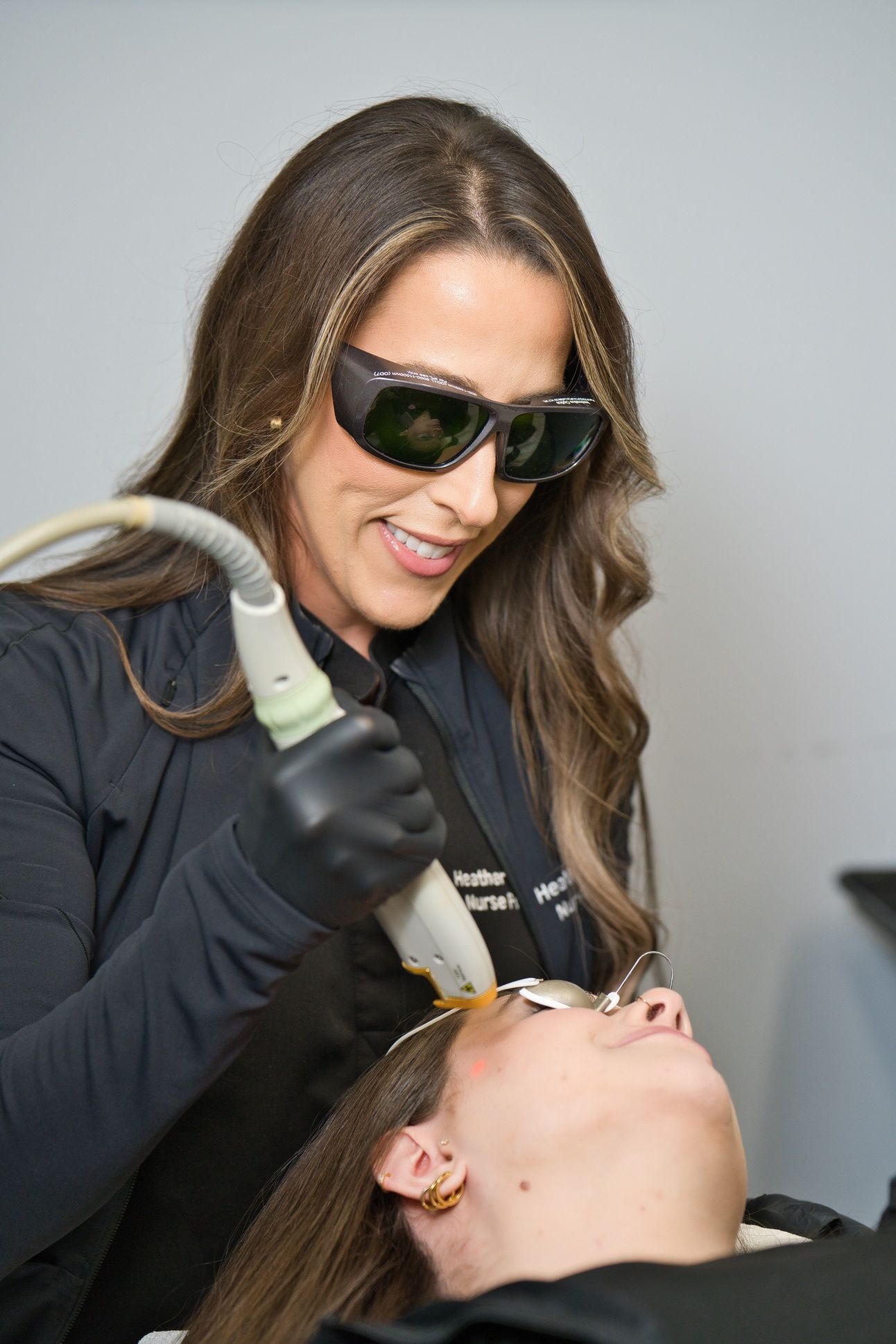
Treatments like Botox, laser therapies, or regular facials can help reduce wrinkles and rejuvenate your skin. These options are safe, effective, and tailored to help you age gracefully and boost confidence.
Support Your Hormones
Hormonal changes can affect your energy, mood, and overall health as you age. Hormone Replacement Therapy (HRT) is a great option to help balance your hormones and keep you feeling more like yourself.
Prioritize Healthy Habits
Eat Well: Focus on nutrient-rich foods like colorful vegetables, lean proteins, fruits, and whole grains to nourish your body.
Stay Active: Incorporate activities you enjoy, such as walking, yoga, or strength training. Regular exercise improves energy, mobility, and bone health.
Consider Supplements: Certain supplements can help support overall health during this stage of life. Calcium and vitamin D are essential for bone health, while omega-3 fatty acids promote heart and brain health. Magnesium can aid with muscle function and relaxation, and probiotic supplements can support digestive health. Always consult with a healthcare provider before starting any new supplements.
By taking small steps like these, you can feel confident, energetic, and vibrant no matter your age. Ready to start? Reach out to explore treatments and habits tailored to your unique needs!!
Tips for Managing Stress and Sleep During Menopause
Menopause is a significant life transition that often brings challenges, including increased stress and difficulty maintaining quality sleep. Managing these changes effectively can lead to balance during this stage of life. Below are some actionable tips to help you address stress and sleep concerns during menopause.

1. Practice Stress Management Techniques
Stress levels can intensify due to hormonal fluctuations during menopause. Incorporating stress-reducing activities like meditation, yoga, or deep-breathing exercises can help create a sense of calm. Regular physical activity, even something as simple as a brisk walk, releases endorphins, which are natural mood elevators.
2. Establish a Consistent Sleep Routine
A consistent sleep schedule is key to overcoming menopause-related sleep issues. Aim to go to bed and wake up at the same time each day to regulate your circadian rhythm. Avoid caffeine and heavy meals close to bedtime, and create a comfortable, dark, and cool sleep environment to promote relaxation.
3. Address Night Sweats and Hot Flashes
Hot flashes and night sweats can interfere with restful sleep. Have layers of breathable, lightweight clothing and bedding to adjust as needed during the night. Use a bedside fan and talk with your doctor about natural or medical remedies that can also provide relief.
4. Eat a Balanced Diet
What you eat during menopause can influence your stress and sleep quality. Focus on nutrient-rich foods, including fruits, vegetables, whole grains, and lean proteins. Avoid alcohol and sugar, which can disrupt sleep and exacerbate mood swings or energy crashes.
5. Don’t Be Afraid to Seek Support
Managing stress and sleep during menopause can be challenging, but you don’t have to face it alone. Hormone replacement therapy can be an effective solution to help you feel like yourself again. Reach out to us to explore how we can support you during this life stage.
By incorporating these strategies, you can create a foundation for a healthier, more balanced life during and after menopause. Small, consistent steps can make a significant difference in reducing stress and improving sleep quality, helping you feel your best during this transformational stage of life.
Ask the Experts: Your Beauty & Wellness Questions Answered
💬 Q: Who is a good candidate for hormone replacement therapy?
A: Women experiencing perimenopausal or menopausal symptoms, or those at risk of osteoporosis, may benefit from hormone replacement therapy (HRT). If you’re unsure whether HRT is right for you, schedule a consultation with us. We’ll take a comprehensive approach, reviewing your blood work and symptoms to determine if HRT is the best option to support your needs. | 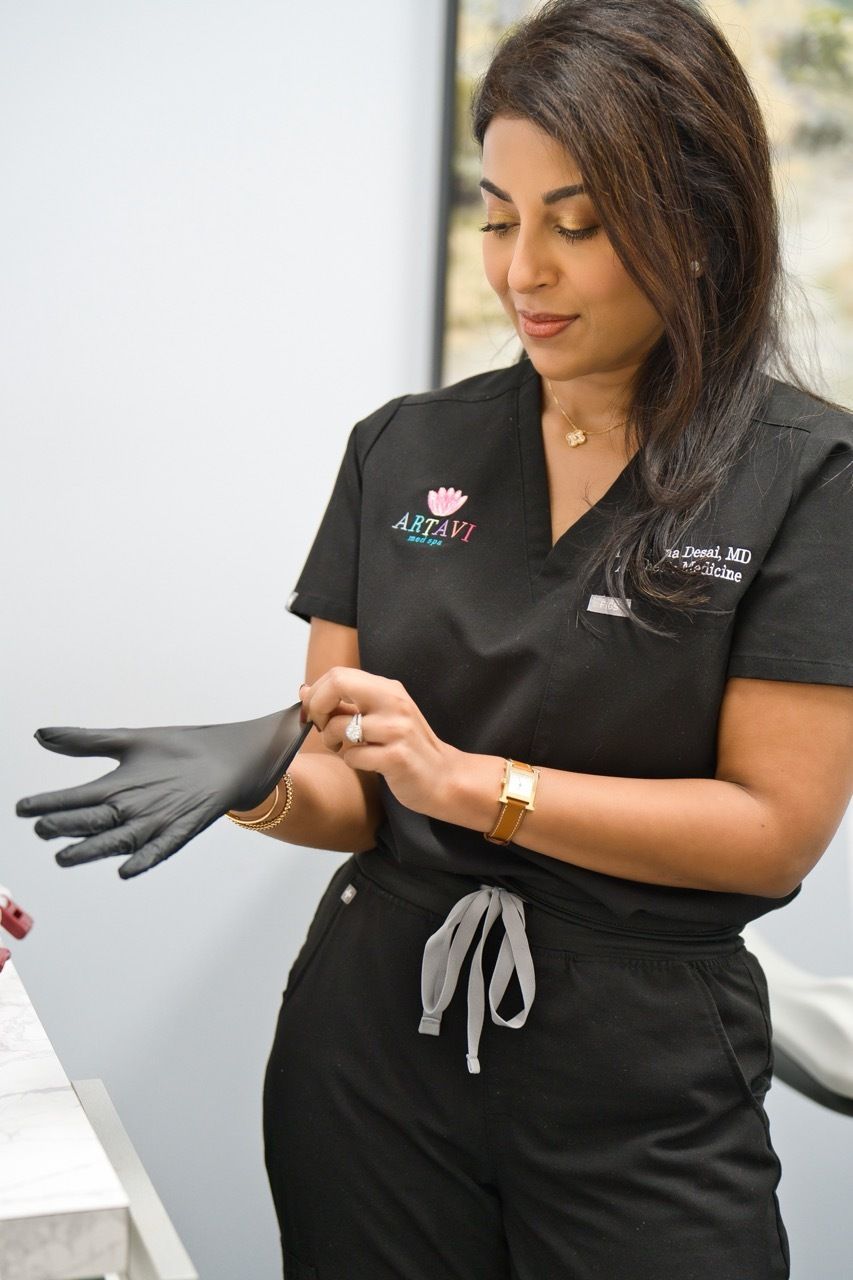 |
📩 Have a question for our next edition? Email us, and we might feature it!
💛 Dr. Desai & The Artavi Team
Disclaimer: This newsletter is for informational purposes only and should not be considered medical advice. Always consult with a qualified healthcare professional for personalized advice and treatment options tailored to your specific needs.